RCI Whitepaper: Understanding Your Organizational Culture
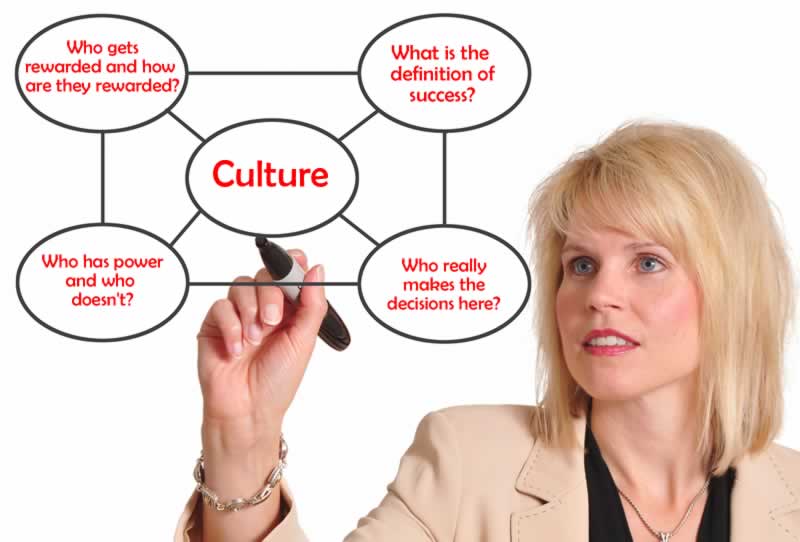 An organization’s culture is comprised of the set of values, beliefs, assumptions, principles, myths, legends, and norms that define how people actually think, decide, and perform. In his book Organizational Culture & Leadership (2nd Edition, 1992, Jossey-Bass), Edgar Schein defines culture as . . .”a basic set of assumptions that defines for us what we pay attention to, what things mean, and how to react emotionally to what is going on, and what actions to take in various kinds of situations” (p. 22).
Schein’s definition suggests that leaders who hope to implement a radical departure from the “norm” in an organization will need to influence and finally change the culture before leading a successful organizational change effort.
The Four Components of Every Organization
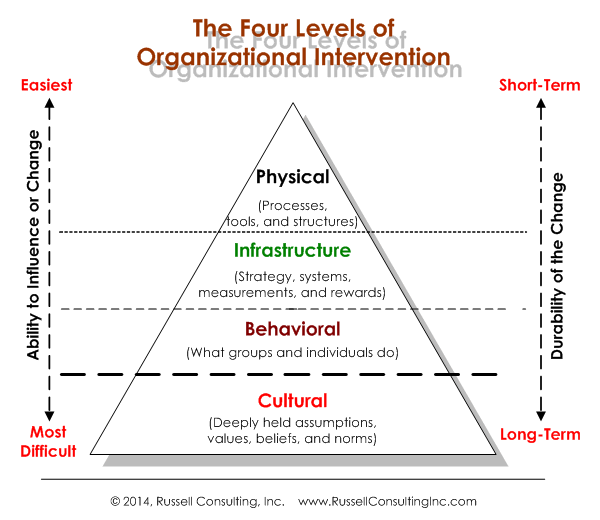 Organizations are comprised of four major components: physical (the visible aspects of the organization), infrastructure (the systems and processes for directing and managing work), behavioral (the daily actions and reactions of employees), and cultural (the underlying assumptions, values, beliefs and norms that shape daily behavior). While implementing change at the “higher” levels is possible, as the following graphic suggests, the durability of the change is short-lived without change at the underlying cultural level.
Strategies for Changing an Organization’s Culture
In the article “Connecting Culture to Organizational Change” (Human Resources Magazine, March 1996, pp. 84-90), T. Galpin suggests that because changing the basic assumptions and beliefs of the underlying cultural is very difficult, the best approach for influencing specific aspects of a culture that you want to change involves targeting only those components that are most critical for implementing and sustaining the changes that concern you.
Galpin suggests targeting one or more of the following cultural components that will help bring about the change that you seek:
- Rules and policies
- Goals and measurements
- Customs and norms
- Training
- Ceremonies and events
- Management behaviors
- Rewards and recognition
- Communications
- Physical environment
- Organizational structure
Assessing the Current and Desired Organizational Culture
Before intervening in the culture to effect the desired change, it is important that organizational leaders first document the current organizational culture. This is typically done by exploring leader and employee perceptions of the current organizational practices, norms, customs, and beliefs within Galpin’s ten cultural components.
In addition, while assessing the current culture, it is just as important to assess employee expectations and aspirations of the desired culture. The overall “gap” between the current and desired culture represents the perceived need for change.
Expanded Whitepaper Available
For a more in-depth version of this whitepaper, click here: RCI Whitepaper – Understanding Culture.
Contact Russell Consulting
Contact RCI if you want to explore your culture, better understand how it influences your company’s success, and begin identifying strategies for changing your culture toward more productive outcomes.